American Consumers Are Running on Empty: Savings Rate Hits 2.6%, Sentiment at 74-Year Low
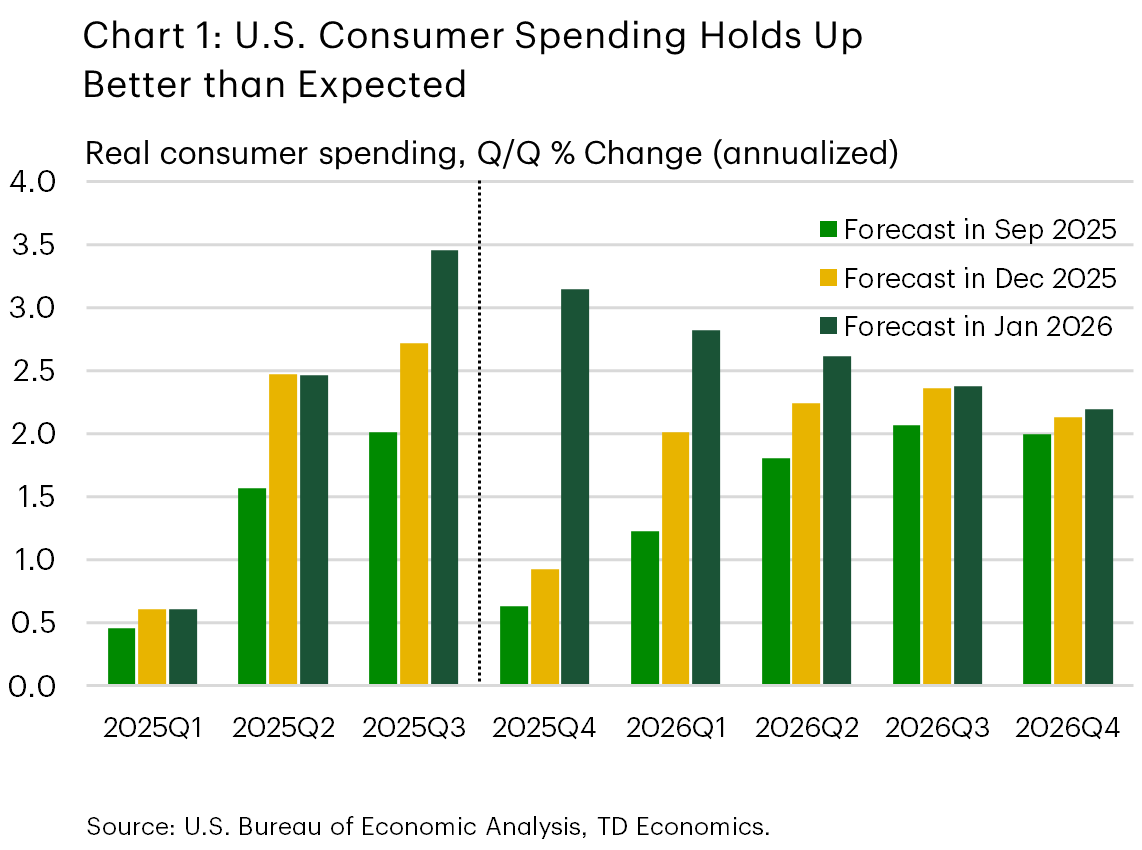
The headline unemployment rate looks composed. The stock market has recovered from its April lows. But beneath those numbers, a pair of data releases on May 28 told a story of quiet financial destruction that the top-line figures don't capture.
The Bureau of Economic Analysis reported that the personal saving rate fell to 2.6% in April 2026 — the lowest level since before the pandemic, down from nearly 5% as recently as January. At the same time, the University of Michigan's consumer sentiment index collapsed to 44.8 — the lowest reading since the survey began in 1952, surpassing the previous all-time low of 50 set at the peak of post-pandemic inflation panic in June 2022.
This is not a recession that shows up in the jobs report. It is a recession in household purchasing power — and it is already well underway.
The Squeeze That Doesn't Show Up in GDP
The Conference Board's labor-market-focused consumer confidence index held at a relatively composed 93.1 in May. But the University of Michigan's purchasing-power-focused measure — which asks consumers directly about whether now is a good time to buy major items, whether their finances have improved, and whether they expect conditions to get better or worse — tells a completely different story.
The disconnect between the two surveys is not a statistical fluke. The Conference Board measures whether people still have jobs. The University of Michigan measures whether those jobs are actually paying for their lives.
The answer, in April 2026, is increasingly: no.
Where the Money Is Going
The war with Iran has acted like an additional tax on every American household. With the Strait of Hormuz effectively closed, global energy prices are at four-year highs. The average American household now spends significantly more on gasoline, heating, and electricity than it did eighteen months ago — costs that do not show up as "discretionary" spending but consume an ever-larger share of income before rent, food, or debt service are paid.
Consumer prices rose 3.8% year-over-year in April 2026. The Producer Price Index surged 6.0% year-over-year, driven by services inflation and energy passthrough. Real wages — nominal wages adjusted for inflation — have stagnated or declined for most working Americans. The typical paycheck buys less today than it did in January.
Meanwhile, credit card balances hit a record $1.21 trillion in the first quarter of 2026, according to the New York Federal Reserve, with delinquency rates rising among younger borrowers. Auto loan delinquencies are at their highest level in a decade. The average American carrying a revolving credit card balance now pays an effective interest rate above 21%.
The K-Shaped Consumer
New York Fed research confirms what the saving rate data implies: the U.S. consumer economy has effectively split in two. High-income households — those earning above $125,000 — are still spending, still traveling, still buying homes and cars. Their balance sheets, padded by years of asset price appreciation, remain relatively healthy.
But lower- and middle-income Americans — roughly 60% of the country — are cutting back on basics. Grocery store visits are shorter. Restaurants are being skipped. Even gasoline purchases, where possible, are being rationed.
Forbes' analysis of the BEA data put it starkly: "Americans are being forced to spend more while affording less." Real incomes are falling for most households. The saving rate dropping to 2.6% does not mean Americans are flush enough to save less — it means they have no cushion left to draw on and are financing necessities through debt.
What Happens When the Cushion Is Gone
History offers a clear warning about what happens when the personal saving rate falls to near-zero levels: the economy becomes extraordinarily fragile to any additional shock. When savings are depleted, consumers have no buffer. A job loss, a medical emergency, or a single month of unusually high utility bills can tip a household from stretched to insolvent.
At the macro level, the exhaustion of household savings tends to precede a sharp pullback in consumer spending — which accounts for nearly 70% of U.S. GDP. The Conference Board's index may look stable. But the University of Michigan's 44.8 reading is the canary in the coal mine. Consumer-facing companies — retailers, restaurants, auto dealers, homebuilders — are already reporting traffic declines that the aggregate data has not yet caught up with.
When 44.8 breaks lower, the headline GDP numbers will follow. The question is not whether — it is when.
Protecting Your Finances Now
If you are looking to understand and prepare for what comes next, these books offer clear, actionable frameworks:
- The Great Depression Ahead by Harry S. Dent — A data-driven case for why demographic and debt cycles point toward prolonged economic contraction.
- Aftershock by Robert Wiedemer — How the multiple economic bubbles simultaneously popping will reshape household financial strategy.
- I Will Teach You to Be Rich by Ramit Sethi — A practical playbook for building a financial system that can withstand economic turbulence.
Sources: Bureau of Economic Analysis, University of Michigan Survey of Consumers, Conference Board, New York Federal Reserve, Forbes, CNBC